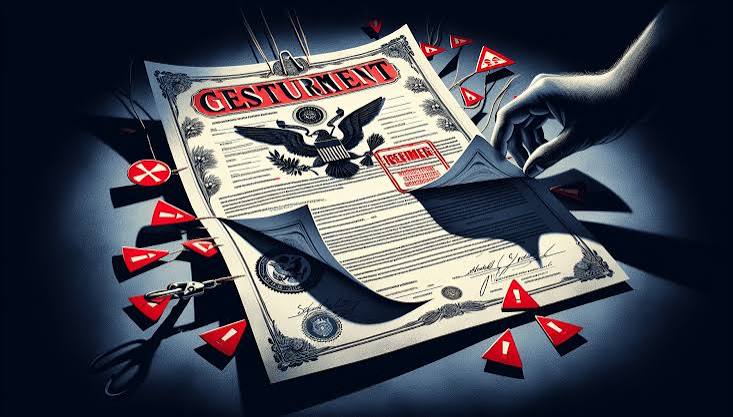
Debt relief scam: how to report it in 2026 and recover faster
⏱️ 13 min read · Last updated: 2026
If you think you were hit by a debt relief scam, the best response is to act fast: stop payments, file a chargeback if you paid by card, and then report the company to the CFPB, your state attorney general, and the FTC. The sooner you start, the better your chances of getting money back and creating a paper trail that can support every next step.
- Credit card chargeback disputes must be filed within 60 days of the statement date under Regulation Z.
- CFPB complaints require a written response in 15 calendar days, and most complaints close within 60 days.
- State attorney general complaints typically receive an initial response within 30-90 days.
- The FTC may take 1-3 years to build enforcement cases and does not recover money for individual complainants.
What steps should I take right now if I got scammed by a debt relief company?
Stop the payments first, then file a chargeback without waiting around. That deadline is the sharp edge of how to report a debt relief scam, because credit and debit card disputes usually expire after 60 days from the statement date.
From there, organize your evidence so each complaint reinforces the next one. Clean records make the bank dispute and the agency complaints much easier to back up, especially when you need to show what was promised versus what actually happened.
- Call your card issuer or bank and say: “I need to dispute a charge for services that were promised but never delivered.” Request a chargeback. They will open a dispute and give you a reference number.
- Gather your documentation — emails, contracts, payment receipts, and screenshots of the company’s website. Save everything before the company disappears.
- Freeze or monitor your accounts — if you shared bank details or login credentials, change passwords and consider a credit freeze with Equifax, Experian, and TransUnion.
- File your CFPB complaint within the first week. This creates a paper trail and forces the company to respond.
Once the chargeback is underway, keep the other complaints moving so the issue does not stall. Do not burn the 60-day window on paperwork, because delay is one of the main reasons people lose recovery options. If you still need help identifying suspicious behavior, learning to spot debt relief red flags can strengthen your case.

Chargeback disputes: your 60-day clock is already ticking
A chargeback is the strongest recovery tool when the payment went on a card. For credit cards, Regulation Z gives you 60 days from the statement date. For debit cards, Regulation E gives the same 60-day window.
That timing matters because the clock starts when the statement is issued, not when you first realize something went wrong. If you paid a debt relief scam with a card, this is the fastest path to temporary or permanent recovery.
How to file a bank chargeback request:
- Call the number on the back of your card or log into your online banking portal. Look for “dispute a charge” or “report a problem.”
- Select the right reason code. “Services not rendered” or “Not as described” is usually correct. Avoid “unauthorized transaction” unless someone else made the charge.
- Provide documentation: the company’s promises, proof of payment, and evidence the services weren’t delivered.
- Get a case number in writing — this is your proof that you filed within the window.
The card issuer has 30 days to acknowledge your dispute and typically resolves it within 60-90 days. You may also receive a temporary credit while the investigation runs, which can reduce the financial pressure while the bank reviews the claim.
Wire transfers and ACH payments have almost no chargeback protection. If you paid by wiring money, the chargeback path is closed. Focus instead on the CFPB, FTC, and state attorney general routes below.
What happens if you miss the 60-day window? Your bank may still consider a late dispute if you can prove the company concealed fraud. However, your odds drop significantly after 90 days. If you are past the window, CFPB and state attorney general complaints become your main recovery paths.
CFPB dispute submission: the complaint that forces a 15-day response
Filing a CFPB dispute creates a formal complaint the company must answer within 15 calendar days. That makes it one of the most useful parts of how to report a debt relief scam, especially when paired with a chargeback.
The CFPB also creates a public record, which helps document patterns of abuse and can support later enforcement. In other words, the CFPB is not just another form — it is a way to turn your individual loss into evidence that regulators can use.
The CFPB complaint process is straightforward:
- Go to consumerfinance.gov/complaint and select “Debt” as the product category.
- Describe what happened in plain language: what the company promised, what you paid, and what they failed to deliver.
- Attach documentation — contracts, emails, and payment records.
- Submit. The CFPB forwards your complaint and tracks the company’s response.
Once submitted, the company has 15 days to respond. Most CFPB complaints close within 60 days. The response becomes part of the public complaint database used by researchers and enforcement agencies. Your individual complaint may not produce a refund on its own, but it adds leverage and helps show that the debt relief scam may be part of a larger pattern.

FTC complaint filing: what it does and what it doesn’t
An FTC complaint feeds the nation’s largest consumer fraud database, but it will not return your individual money. The FTC does not mediate disputes or contact companies on your behalf.
Instead, it builds enforcement cases that may eventually shut down fraudulent operations. File it for enforcement value, not for a personal refund, and use it alongside your other reports if the same debt relief scam reached many consumers.
How to file:
- Go to reportfraud.ftc.gov.
- Select “Online Shopping” or “Business opportunities, employment, and earning money.”
- Provide the company name, website, phone number, what they promised, what you paid, and what happened.
The process takes about 10-15 minutes. You will not receive a personal case update. Your complaint becomes a data point for future enforcement. The FTC pursues companies that generate enough complaints to show a pattern of deception, which can take 1-3 years.
If the scam involved automated calls, the debt relief robocall scam pattern is something the FTC tracks. Mention the robocall element in your complaint so the agency can connect your case to broader fraud networks.
State attorney general complaint: your underrated local lever
A state attorney general complaint is one of the strongest local tools for recovery. State attorneys general can bring civil enforcement actions, issue subpoenas, and negotiate settlements that include consumer restitution.
Because state offices are closer to consumers and often more hands-on than federal agencies, they can be especially effective after a debt relief scam if the company is still active or based in your state.
How to file:
- Search “[your state] attorney general consumer complaint” to find the online portal.
- Complete the form with specifics: company name, amounts paid, promises made, and services not delivered.
- Attach the same documentation you gathered for other filings.
- Indicate whether you’ve filed with other agencies to signal a pattern.
State complaints often work better for individual recovery because these offices are more responsive. Some states, like California, New York, and Texas, have dedicated consumer protection divisions that actively pursue debt relief fraud. A state complaint can trigger an investigation leading to a consent order requiring the company to pay refunds.
Filing in both your home state and the company’s registered state doubles your enforcement pressure. Check the company’s terms of service for their registered address.
How to report a debt relief scam in the right order
The filing sequence determines how much money you recover. Most people file randomly or only with the FTC. The evidence-based order below gives you the best chance of recovery and enforcement support, while keeping your debt relief scam complaint organized and easy to verify.
The priority sequence for 2026
- Day 1: Chargeback. Call your card issuer. This has the tightest deadline and highest recovery rate.
- Week 1: CFPB complaint. File online at consumerfinance.gov. This creates a documented dispute with a mandatory response and supports your chargeback.
- Week 1-2: State attorney general complaint. File in your home state and the company’s registered state if different.
- Week 2-3: FTC complaint. File at reportfraud.ftc.gov for long-term enforcement.
- Week 2-3: IC3 report (if applicable). File at ic3.gov only if the scam involved wire transfers, interstate electronic fraud, or a website-based operation.
Each filing reinforces the others. A chargeback backed by CFPB and state attorney general filings tells your card issuer this is a serious, multi-agency dispute. It also shows that the debt relief scam was not an isolated billing problem, but part of a broader fraud pattern.
Can I get my money back after paying a fraudulent debt settlement company?
Yes, but the amount depends on your payment method and how quickly you act. Credit card victims who file within 60 days have strong recovery odds. Wire transfer victims face long odds through any consumer path.
The blunt answer to how to report a debt relief scam is that the way you paid matters more than almost anything else, because payment method often determines whether reversal is realistic at all.
Here is the realistic breakdown by payment method:
- Credit card: Best odds. Regulation Z protections allow for provisional credits within 30 days. Recovery is common with documentation of services not rendered.
- Debit card: Good odds if filed within 60 days under Regulation E.
- Wire transfer: Very low odds. The sending bank may be able to investigate, but recovery is rare after the funds leave your account.
- ACH / check: Moderate odds. ACH debits can be disputed within 60 days, and checks may be reversed only in limited situations.
- Cash or prepaid card: Essentially unrecoverable through standard channels. File every complaint and consider a civil suit.
The honest math: A $3,000 credit card payment made within 60 days has a realistic recovery of $2,000-$3,000 through a chargeback. A wire transfer from six months ago has a realistic recovery close to zero unless the company is shut down and a restitution fund is established.
Key Takeaways
- File your chargeback within 60 days of your credit card statement date — this is your highest-probability recovery path.
- Sequence matters: chargeback first, CFPB second, state attorney general third, FTC and IC3 last.
- Your payment method determines your odds — credit card victims can recover far more than wire transfer victims.
- The CFPB forces a company response within 15 days — use this to build a documented paper trail that strengthens your bank dispute and state complaints.
Common Questions About how to report a debt relief scam
What agencies handle debt relief scam reports?
The four primary agencies are the CFPB, the FTC, your state attorney general’s consumer protection division, and the IC3 for internet-based fraud. File with the CFPB first for the fastest response, then your state attorney general for the strongest individual recovery potential, then the FTC and IC3 for enforcement documentation.
How to file an FTC complaint against a debt company step by step?
Visit reportfraud.ftc.gov and select the category that fits — usually “Online Shopping” or “Business opportunities.” Provide the company name, website, phone number, what they promised, what you paid, and the outcome. The process takes 10-15 minutes. You will not receive a personal case update.
Chargeback vs FTC report — which recovers money faster?
A credit card chargeback, by a wide margin. Chargebacks can produce a provisional credit within 30 days and resolve within 90 days. FTC complaints feed into enforcement cases that take 1-3 years and almost never result in individual refunds. Always file the chargeback first.
Why won’t my bank refund a debt relief payment and what next?
Banks deny chargebacks when you miss the 60-day window, use the wrong dispute reason code, or the company provides partial documentation. If denied, appeal in writing with stronger evidence. Then file a CFPB complaint against your bank — this often reverses denied chargebacks.
How much time do I have to dispute a debt relief charge?
You have 60 days from the credit card or debit card statement date that shows the charge. This deadline is federal law — Regulation Z for credit cards and Regulation E for debit cards. After 60 days, your bank is not legally required to investigate, though some still consider late disputes case-by-case.
Should I hire a lawyer to report a debt relief scam?
Not to file complaints — all agency filings are free and designed for consumers to handle without legal help. However, if you lost over $5,000 and the company is still operating, a consumer protection attorney can pursue a civil suit or connect you with a class action.
Can I report a debt relief scam if I paid by wire transfer?
Yes — file a CFPB complaint, state attorney general complaint, FTC complaint, and IC3 report. Wire transfers have no chargeback protection, so agency filings are your only formal paths. The IC3 specifically handles wire fraud and may refer cases to the FBI.
The Bottom Line
If you paid a debt relief company and they did not deliver, you still have real recovery tools. The order and speed of your filings determine whether you get your money back, and how to report a debt relief scam starts with the chargeback.
Call your card issuer today, get the case number in writing, and then use the CFPB and your state attorney general to build pressure while the FTC complaint supports long-term enforcement.
For a broader look at preventing future harm, see our guide on how to avoid debt relief scams, and review the larger context in our Debt Relief Scams, Legit Providers & How to Vet Help in Your Area pillar.
See also: debt relief scam statistics
See also: debt relief robocall scam
See also: how to spot a debt relief scam
Related: AFCC membership status
Related: fake debt collector scam
Related: questions to ask a debt relief company
See also: debt relief scam statistics
See also: debt relief robocall scam
See also: debt relief options