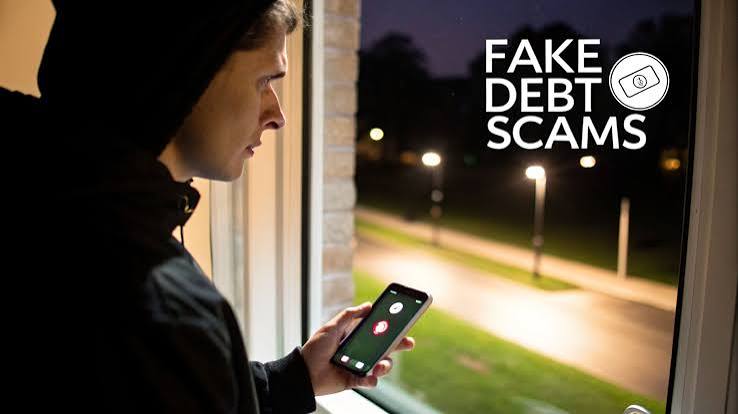
Fake Debt Collector Scam: 30-Day Verification Checklist
⏱️ 8 min read · Last updated: 2026
- You have a critical 30-day window from a collector’s first communication to send a debt validation letter demanding proof.
- Under the FDCPA, a collector must stop all collection activity until they provide verification of the debt in writing.
- Phantom debt complaints—debts that don’t exist or aren’t owed—consistently make up a significant share of all debt collection complaints filed with the CFPB.
- A legitimate collector’s response to your validation request should include the amount of the debt, the name of the creditor, and proof you owe it.
- Common scam tactics include threats of immediate arrest, refusal to provide a mailing address, and pressure to pay via gift cards or wire transfer.
Getting a call from a debt collector is stressful, but when the contact is part of a fake debt collector scam, the pressure can spike fast. The good news is that you do not have to guess. With a simple process, you can challenge the claim, demand proof, and expose a fraud before you pay a cent. This guide walks you through each step so you can respond with confidence.
This guide explains how to spot a fake debt collector scam, request validation, and use the law to your advantage. You may also run into other types of debt relief scams, so it helps to know how this one works first. From there, the steps are straightforward, and each one builds on the last.
How do I know if a debt collector calling me is fake or real?
The first step is to slow the conversation down. A real collector can identify themselves and explain the account. A scammer usually wants fast payment before you can think clearly, which is why the safest move is to ask questions before you say anything else.
Ask for the collector’s full name, company name, mailing address, and the name of the original creditor. Also ask for the account number they are referencing. A legitimate collector should answer without hesitation, and those details give you a starting point for checking whether the debt is real.
Pay attention to how they want to be paid. A major warning sign is pressure to pay with gift cards, wire transfers, or peer-to-peer apps. Real collectors usually send a written notice and accept normal payment methods. If they threaten arrest or say you must pay immediately, treat it as a scam and move to written validation as soon as possible.
As you gather details, keep a simple log. Write down the date, time, phone number, and what was said. That record helps you spot patterns and gives you something concrete if you need to report the call later. It also sets up the validation request in the next step, where written proof becomes the key issue.

The 30-day debt validation process that actually exposes scams
Once you have the collector’s basic information, use the 30-day validation window to put the burden of proof on them. This is the strongest legal tool you have against a fake debt collector scam, because a scammer often has no real documents to produce. The goal is simple: force the collector to prove the claim in writing.
Step 1: Send the letter via certified mail within 30 days
Mail your validation letter within 30 days of the collector’s first contact. Use USPS Certified Mail with Return Receipt so you have proof it was delivered. In the letter, state that you are requesting validation of the debt under the FDCPA. Include the account number and the collector’s name, but do not send sensitive details like your Social Security number.
Step 2: What to demand in the letter
Ask for the original creditor’s name and address, the amount owed, and proof that the collector has the right to collect. If the debt is based on a signed agreement, request a copy. A basic database summary is not enough. If they cannot provide real documentation, the claim becomes much weaker, and that weak response is often the first sign of a scam.
Step 3: Analyze their response (or lack thereof)
After they receive your letter, a legitimate collector should stop collection activity until they provide written validation. That pause matters because it shows whether they have real records or only pressure tactics. If they keep calling, send incomplete paperwork, or give conflicting details, you likely have a debt relief scam on your hands, and the next step is to compare their behavior against a real collector’s.
Real collector vs fake collector: beyond the validation letter
A validation letter is the best starting point, but it is not the only clue. Once you compare the collector’s behavior against normal collection practices, the differences become clearer. That comparison helps you decide whether the caller is legitimate or simply trying to exploit fear.
| Criteria | Real Collector | Fake Collector / Scam | Best For… |
|---|---|---|---|
| Provides mailing address | Always provides a verifiable P.O. Box or physical office address. | Refuses, gives a P.O. Box in a state with no record of them, or gives a residential address. | Verifying legitimacy |
| Calls about a known debt | Can usually identify the original creditor and approximate timeline. | Vague about details, may threaten you for a debt you’ve never heard of. | Identifying phantom debt |
| Payment demands | Sends you a written bill with a payment address. Accepts check or ACH. | Demands immediate payment via gift card, wire transfer, or peer-to-peer app like Zelle. | Spotting financial risk |
| Response to validation | Stops calls and sends a validation package within 30 days. | Continues calling, gets angry, or sends no validation at all. | Confirming FDCPA violation |
| Threats used | Cannot legally threaten arrest, jail, or wage garnishment without a court order. | Threatens arrest, “officers at your door,” or immediate legal action. | Understanding legal limits |
| Online presence | Has a verifiable business website, often listed with the state attorney general. | No website, or a generic site with no physical address or leadership info. | Verifying legitimacy |
Use these clues together rather than in isolation. For example, a caller who refuses a mailing address, pushes you to pay by prepaid card, and cannot match the alleged account details is almost certainly not a real collector. Once those signs appear together, the next section explains why they often cannot produce proof.

Why is a collector refusing to send proof of the debt?
When a collector will not send proof after a written request, that usually means the claim is weak or fake. Under the FDCPA, they must provide validation and pause collection efforts until they do. That legal duty is exactly what many scammers hope you never ask about, because once they have to provide records, the pressure starts to fall apart.
In many phantom debt cases, the caller is working from a list of names and phone numbers. They may not have a real contract, a real account history, or any authority from the original creditor. Their business model depends on pressure, not documentation, which is why they often avoid anything in writing.
Scam operations also rely on distance and anonymity. They may use spoofed numbers, fake company names, or mailbox addresses that go nowhere. If their response never arrives, or if it comes from a generic system printout with no real support, that is another strong sign that the debt cannot be verified. At that point, you should stop treating the call like a billing issue and start treating it like a collection scam.
“The FDCPA’s validation requirement is the single most effective tool against phantom debt. It shifts the burden of proof from you—the person being accused—to them—the person demanding money.”
What should I do if a collector demands payment for a debt I don’t recognize?
If the debt does not sound familiar, do not panic or agree to pay on the spot. Instead, keep the call brief and move the conversation into writing. The more time you create, the more likely it is that a fake debt collector scam will fall apart. Written communication also gives you a cleaner record if you need to dispute the account later.
Say this: “I do not recognize this debt. Please send me written validation at the address I provide.” Then end the call. After that, send your debt validation letter by certified mail within 24 hours. That written request starts the 30-day clock and puts the collector on notice.
Next, check whether the account is even on your credit reports. If the debt is missing, outdated, or clearly wrong, that helps you separate a real account from a scam. If a collector tries to misstate an old or time-barred debt, that may be a debt relief scam and an FDCPA violation. Comparing the claim with your own records and credit file often reveals the mismatch quickly.
How much can a scam collector legally demand and what’s illegal?
A scam collector has no legal right to demand payment because the debt is not real. Still, scammers often ask for the full balance right away and may add fake fees to make the amount look urgent. Their goal is to create panic, not accuracy, so any pressure for instant payment should raise suspicion immediately.
Even when a collector is legitimate, they must stay within the law and the terms of the original agreement. They cannot invent fees, lie about deadlines, or change the balance from call to call. Claims that you will be arrested unless you pay today are not just aggressive; they are illegal and are often used in fake debt collector scam calls. The safest response is always to ask for written proof before discussing payment.
Where to report a debt relief scam once you’ve identified it
Once you confirm the scam, report it right away. Your report helps investigators track the operation and may protect other people from the same call. It also creates a record if the scammer keeps contacting you later, especially after you have already asked them to stop.
Report the scam to the Federal Trade Commission at ReportFraud.ftc.gov, the Consumer Financial Protection Bureau, and your state Attorney General’s consumer protection office. Include your call log, texts, letters, certified mail receipt, and any reply they sent. If they violated the FDCPA by refusing to validate the debt or by using threats, say so clearly.
If you already paid, contact the payment provider immediately and report the fraud. That includes gift card issuers, banks, and wire transfer services. Reporting quickly improves your chances of limiting the damage, and it also helps investigators connect your case to other complaints. If needed, follow up by placing a fraud alert or credit freeze on your credit files with the three bureaus.
The Bottom Line
A fake debt collector scam can feel overwhelming, but the response is simple. Ask for proof, send a written validation request, and do not pay before the collector proves the debt. Those steps are usually enough to expose a scam and protect your money. Just as important, they give you a clear paper trail if the caller keeps pressing the issue.
If you are dealing with an unrecognized debt today, start the process now. Write the letter, mail it by certified mail, and keep every record. That single action puts the law on your side and forces the collector to either provide real evidence or back away. Once you have that response, you can decide whether the debt is legitimate or part of a scam.
- A 30-day deadline exists to send a debt validation letter from the collector’s first contact—missing it weakens your legal position.
- Real collectors must stop collection calls and provide proof after receiving your written request; scammers will ignore or evade.
- Never pay via gift card, wire transfer, or cash app to a collector—these are the preferred payment methods of phantom debt scams.
- Report every suspected scam to the FTC, CFPB, and your state Attorney General to help shut down the operation and protect others.
Common Questions About Fake Debt Collector Scams
What is a fake debt collector and how do phantom debt scams work?
A fake debt collector is a scammer impersonating a legitimate collector to collect phantom debt—money for a debt that doesn’t exist or you don’t owe. They typically buy lists of names and numbers, then use high-pressure tactics and threats to scare you into paying before you can verify the debt through the legal process.
How to request debt validation from a collector step by step?
1. Within 30 days of first contact, write a letter requesting validation under the FDCPA. 2. Include the alleged account number and collector’s name, but not your Social Security number. 3. Mail it via USPS Certified Mail with Return Receipt. 4. Block their number and wait for the legally required written proof.
Real collector vs fake collector — how do you verify?
Verify by sending a debt validation letter and checking their response. Also, look up the company on your state Attorney General’s website for licensed collectors. Real collectors provide a verifiable mailing address and stop calls when validation is requested in writing.
Why is a collector refusing to send proof of the debt?
A refusal often indicates a phantom debt scam. The caller likely has no contractual relationship with the original creditor and no access to account records. Their operation depends on you paying before asking for the legally required validation proof.
How much can a scam collector legally demand and what’s illegal?
A scam collector has no legal right to demand payment. Their demands are illegal from the start. Threatening arrest, misrepresenting debt amounts, and demanding payment via gift cards are all violations of the Fair Debt Collection Practices Act and common scam tactics.
See also: how to spot a debt relief scam
See also: debt relief scam statistics
See also: debt validation rights
See also: how to spot a debt relief scam
See also: debt relief options