“`html
Wage Garnishment Laws by State: What You Need to Know in 2026
⏱️ 8 min read · Last updated: 2026
- Federal garnishment cap: 25% of disposable earnings.
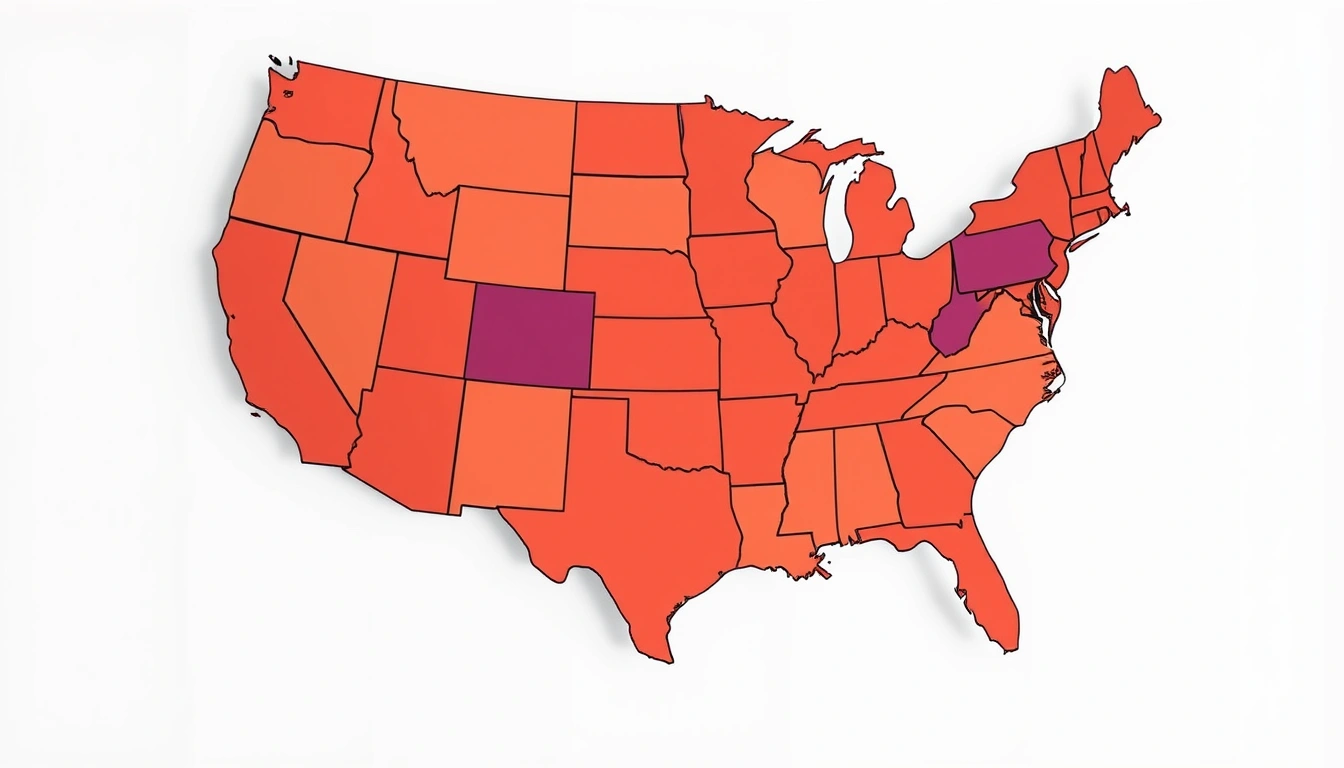
- States banning most garnishments: Texas, Pennsylvania, North Carolina, South Carolina.
- Disposable earnings floor: 30 times the federal minimum wage.
- Some states have stricter caps, as low as 10% in some cases.
- Writ of garnishment is required to commence garnishment.
A single garnishment order can reduce what you take home by 25% of your disposable earnings, but this figure can change drastically depending on where you live. For instance, in Texas, most wages are shielded from creditors entirely. This protection can be a significant relief if you’re confronting substantial debt.
Navigating wage garnishment laws by state can feel overwhelming given the variation in rules. Understanding the specifics of your state’s laws is crucial to protect your income and ensure peace of mind.
Who Should Consider Professional Help?
Wage garnishment laws primarily affect individuals with unsecured debts, such as credit card bills and personal loans. However, if your circumstances involve complex legal issues or potential exemptions, consider consulting with a legal professional. This is especially important if you’re in a state with intricate garnishment exemptions or face multiple garnishments.
Prerequisite: Understanding your disposable earnings is crucial, as it’s the basis for calculating garnishment amounts. If you’re unsure what qualifies as disposable earnings, a professional can help clarify.
For those residing in states like Texas or Pennsylvania — where wages are largely protected from garnishment — ensuring these protections apply to your specific debt type is critical. Missteps can lead to unexpected wage reductions.
What is the Maximum Wage Garnishment Allowed in My State?
The maximum wage garnishment varies by state but is capped federally at 25% of disposable earnings, provided this does not reduce your earnings below 30 times the federal minimum wage.
Different states may impose stricter caps. For example, New York limits garnishment to 10% for certain debts. Knowing your state’s specific cap can prevent surprises when a writ of garnishment is issued.
Which States Don’t Allow Wage Garnishment for Credit Card Debt?
States like Texas, Pennsylvania, North Carolina, and South Carolina prohibit wage garnishment for credit card debts. This exemption can be a significant relief if you reside in one of these states.
However, verifying that this exemption applies to your specific situation is crucial. It is recommended to contact your state’s labor department or consult with a legal advisor to ensure you understand the protections available.

The Standard Procedure for Wage Garnishment
- Receive Notice: A creditor must file a lawsuit and receive a judgment before garnishment.
- Writ of Garnishment Issued: This legal document authorizes wage garnishment.
- Employer Notification: Your employer is notified and must comply with the garnishment order.
- Calculation of Disposable Earnings: Your employer calculates the amount based on disposable earnings.
- Garnishment Begins: Funds are deducted from your paycheck according to the specified percentage.
- Payment to Creditor: The garnished amount is sent to the creditor.
- End of Garnishment: Once the debt is satisfied, garnishment ceases.
Mistakes to Avoid
Avoiding common pitfalls can prevent financial strain. Here are signs you should not ignore:
Complex Debt Situations: Multiple garnishments or unclear debts require professional help.
Misunderstanding Disposable Earnings: Calculating the wrong amount can lead to excessive garnishment.
State-Specific Exemptions: Incorrect assumptions about state laws can cause issues.
Employer Errors: Mistakes in garnishment calculations by your employer should be addressed immediately.
Fraudulent Claims: If you suspect a creditor is acting fraudulently, seek legal counsel.
The Most Common Mistakes (and Their Real Consequences)
- Ignoring Notifications: Leads to default judgments and automatic garnishment.
- Failing to Verify Writ of Garnishment: Results in unwarranted deductions.
- Not Understanding State Laws: Causes missed exemptions and unnecessary garnishment.
- Not Seeking Help Early: Can lead to irreversible financial damage.
What to Expect: Realistic Timeline and Outcomes
Wage garnishment timelines vary, but generally, the process from lawsuit to garnishment can take several weeks to months. Once garnishment begins, it continues until the debt is fully paid, which could take months or years depending on the debt amount and garnishment rate.
Understanding wage garnishment timelines is crucial; it helps you plan and adjust your budget accordingly.
- Federal cap is 25% of disposable earnings; state laws may vary.
- Texas, Pennsylvania, and others protect wages from garnishment for credit card debts.
- A writ of garnishment is necessary to initiate the process.
- Consult legal help when facing complex garnishment issues.
Common Questions About wage garnishment laws by state
What is the maximum a creditor can garnish from my wages?
The federal maximum is 25% of your disposable earnings, unless this reduces your income below 30 times the federal minimum wage. State laws may impose stricter limits.
How to stop a wage garnishment in my state?
To stop garnishment, you can negotiate with creditors, file a claim of exemption, or challenge the garnishment in court. Consult legal advice specific to your state for effective measures.
State vs federal garnishment limits — which applies to me?
Generally, the stricter limits apply, whether state or federal. Check your state’s specific laws to determine which rules affect your situation the most.
Why is my whole paycheck being garnished?
If your entire paycheck is being garnished, it could be due to a miscalculation of disposable earnings or improper application of exemptions. Contact your HR department and seek legal advice.
How much does it cost to fight a wage garnishment?
Legal fees to contest a garnishment can range from a few hundred to several thousand dollars, depending on complexity. Some legal aid services offer support at reduced costs.
The Bottom Line
Wage garnishment can significantly impact your financial stability, but understanding the laws by state is key to managing its effects. Start by checking your state’s specific caps and exemptions, and consider consulting a legal expert if your situation is complex. This week, take a proactive step by reviewing your pay stubs to understand your disposable earnings. For more insights, explore State & City Debt Laws: Garnishment, Statute of Limitations & Your Rights.
“`
See also: debt laws by state
See also: statute of limitations on credit card debt in [sta
See also: debt validation rights
Related: debt validation letter
Related: homestead exemption by state
Related: bank account levy